
Pre-Commitment Read
Know What the City Will Require Before You Buy, Lease or Change Storage.
A Fire Captain-led fire code read of an industrial or commercial building, done before you commit. We read the building the way the fire marshal will, so the requirements and the cost are on the table while you can still negotiate.
The Fire Code Answer, Before It Is Your Problem
Most fire code problems are found after the lease is signed or the building is bought. A new tenant moves in with taller racks, a different commodity or a room full of charging batteries, and the first person to read that against the building's approvals is a fire inspector. By then the gap is yours, and so is the bill.
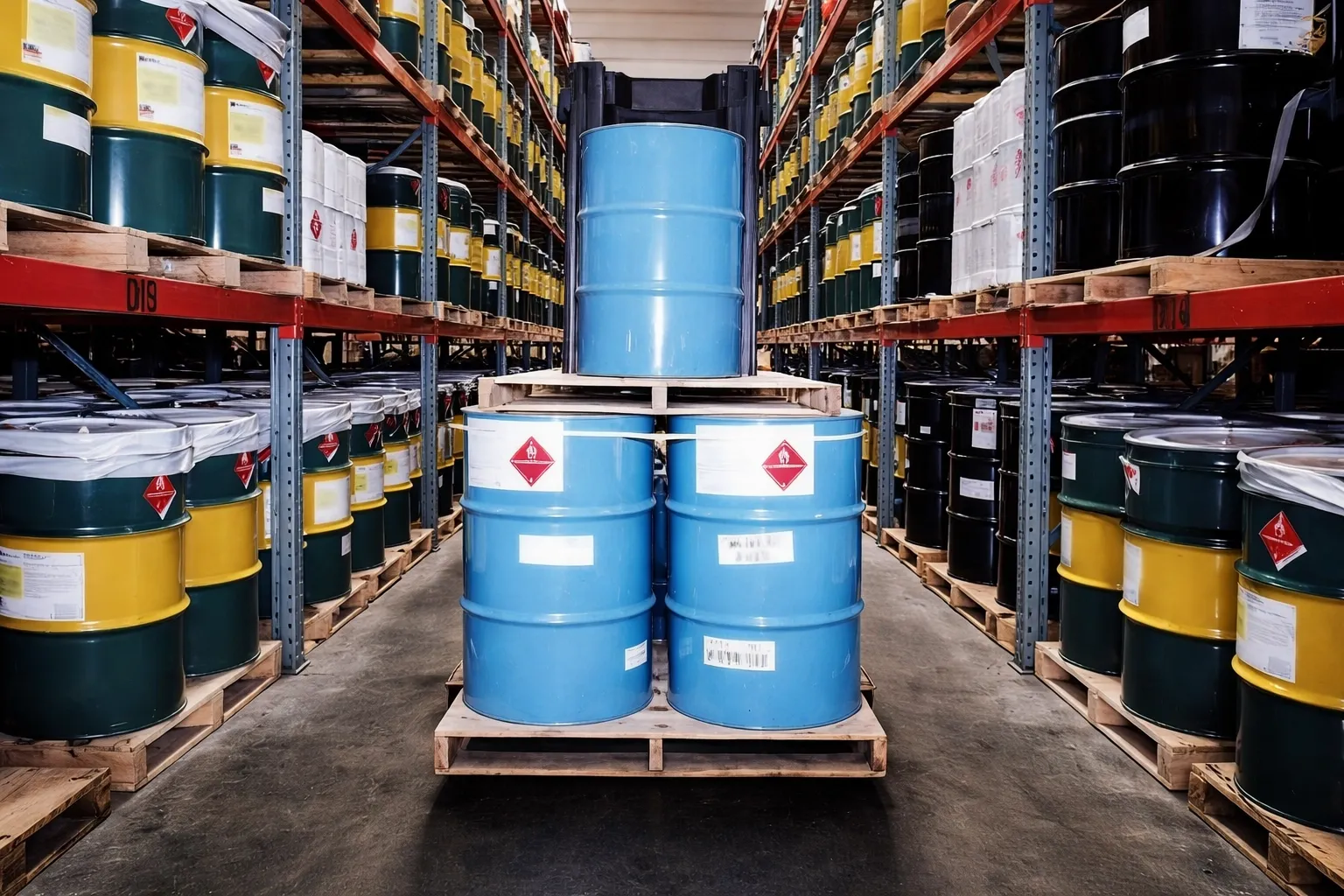
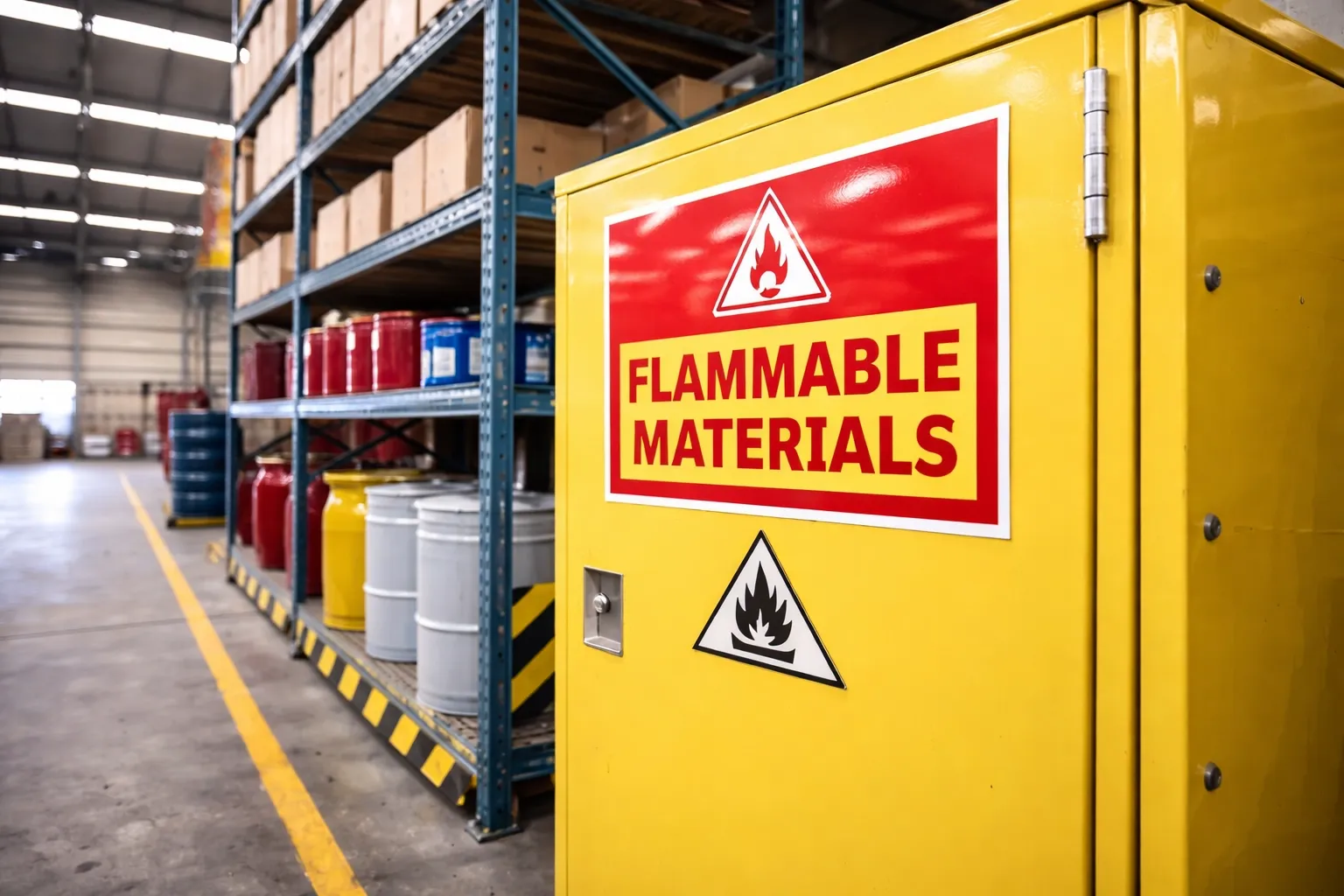
A Pre-Commitment Read moves that moment forward. We look at how the building is approved, how it is built and how it is used or will be used, and we read it against the fire code the way the jurisdiction will. That includes conditions that would not draw a citation today but will the moment the operation changes: the sprinkler design that was fine for the last tenant's commodity, the mezzanine that was never permitted, the aisle that disappears once racking goes in.
You get the answer in writing, from a firm with no system to sell and no stake in the fix. If the read turns up work, see Correction Coordination. For a real example, read the Los Angeles industrial case study.
The Whole Operation, Not One System
From Scoping Call to Written Read
Scoping Call
We cover the address, the deal or decision in front of you, and the operation that will run in the building.
Fixed Fee on a Written Scope
You get a written scope and a fixed price before any work starts. No discovery billing.
Desk Read or Walk
Depending on the scope, our team reviews the records and drawings, walks the building, or both.
Written Read
What the code requires, what is in place, the gap between the two, and what the city will require to close it. Items that need hydraulic calculations or an engineered answer are flagged for a licensed fire protection engineer.
Coordination Through Close-Out (Optional)
If you move forward, we coordinate the licensed engineers and contractors you engage through Correction Coordination.
The Conditions That Change the Answer

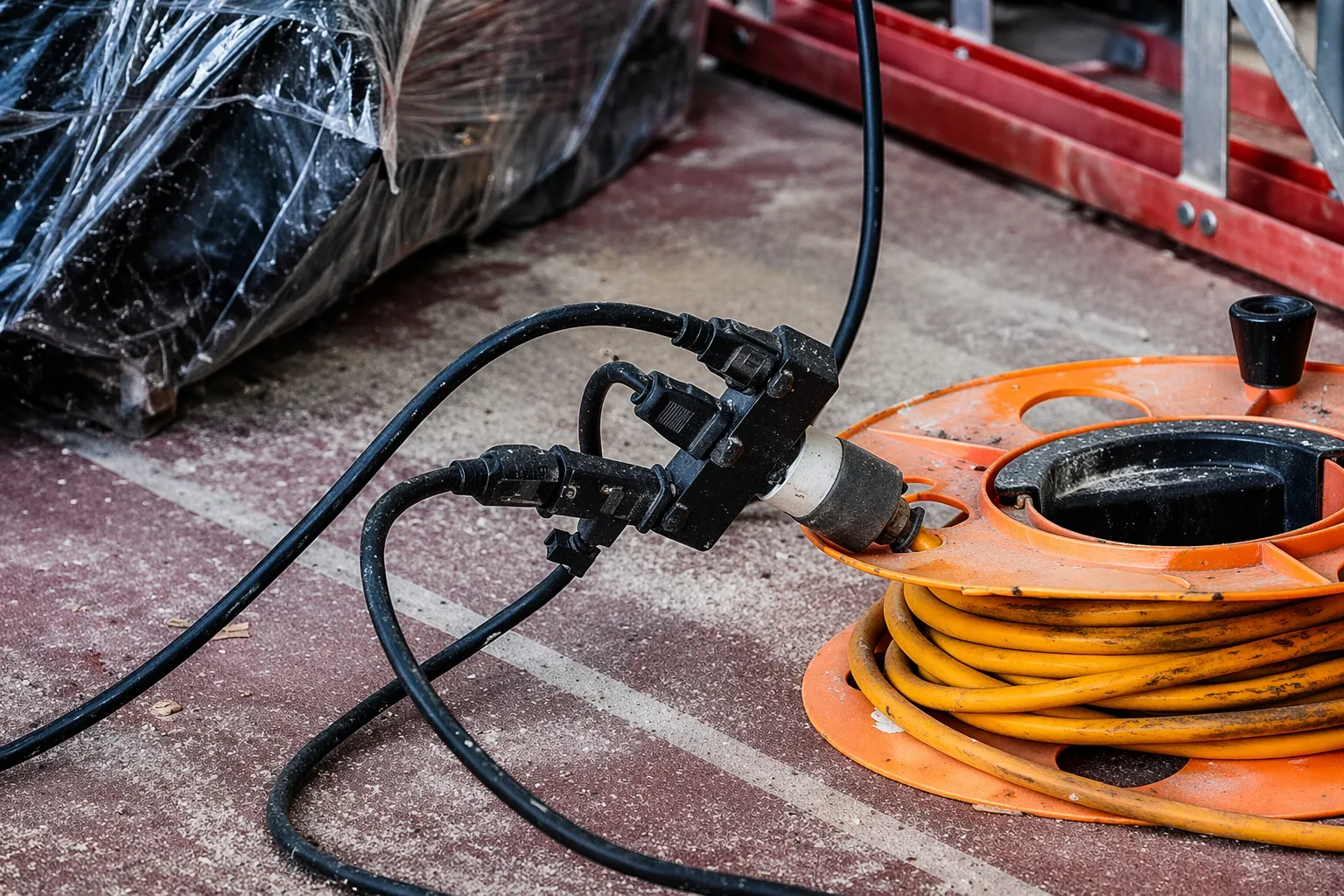
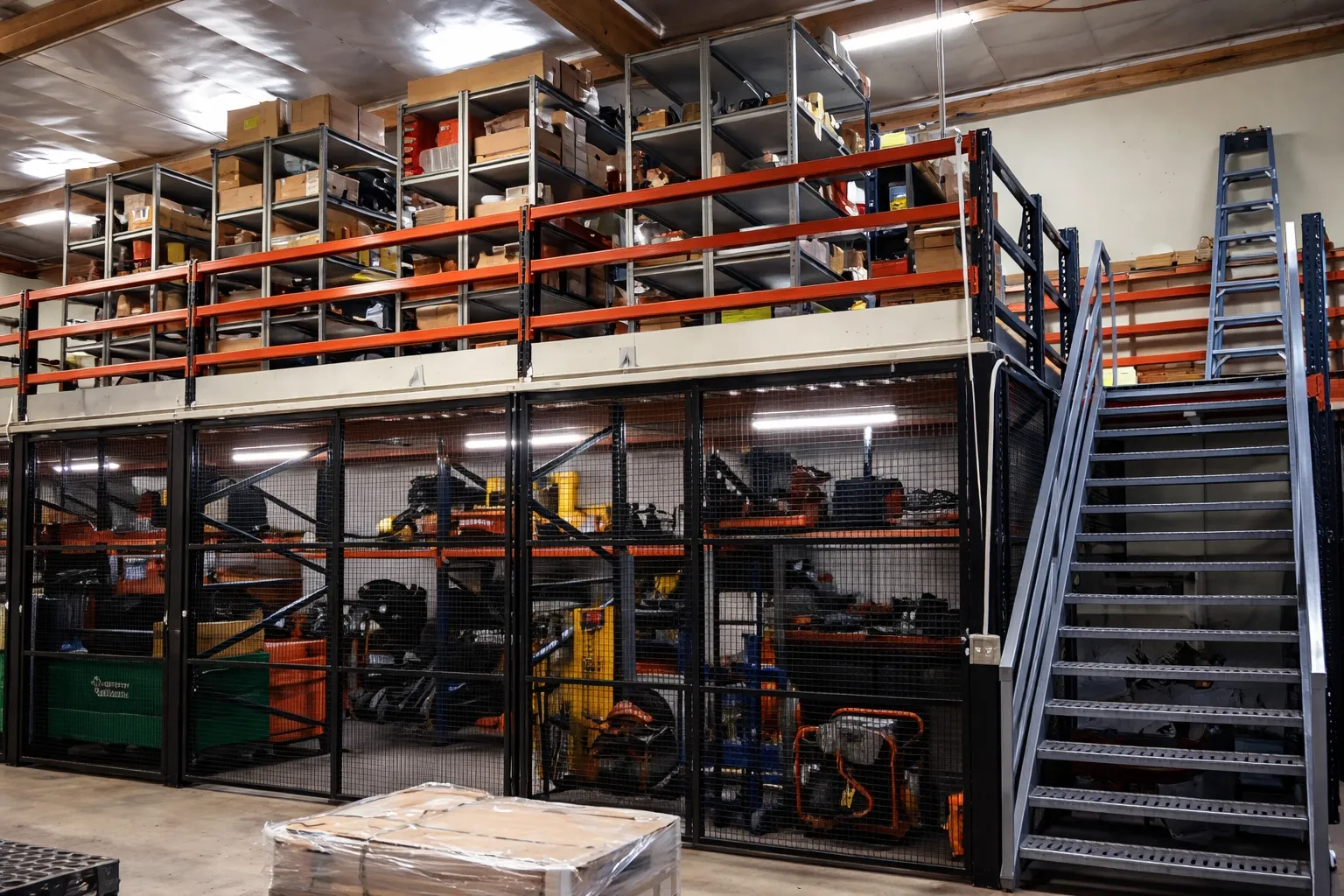
A citation shows what failed on one day. The read shows what the building will be asked for before you own it, lease it or fill it.
Nick Anthony
Principal · Fire Captain
What Clients Ask Before a Read
When should we order a Pre-Commitment Read?
Before you sign: ahead of a purchase close, a lease execution, a renewal that changes the operation, or a change in what you store. It is also the right call when a fire department notice, an insurance survey or a near-miss has already surfaced one issue and you need to know what else the building will be asked for.
What do we actually receive?
A written read, not a checklist. It sets out what the code requires for your operation, what is in place today, the gap between the two, and what the city will require to close it, ranked so ownership, operations and insurance can act on it. Items that need hydraulic calculations or an engineered determination are identified for a licensed fire protection engineer.
Can you do this during due diligence on an acquisition?
Yes. Fire code exposure does not show up on a Phase I environmental or a standard property condition report. We work alongside your diligence team, and the read becomes both a negotiating document and a day-one plan for what the next owner inherits.
How is this different from a fire marshal inspection?
The fire department inspects and issues corrections. It does not tell you, before you commit, what an operation will require or what it will cost. We read the building the way the fire marshal will, on your timeline, and hand you the answer in writing. We are advisory: we do not act as the Authority Having Jurisdiction.
Start With a Scoping Call
Find Out What the City Will Require Before You Commit.
A written scope and a fixed fee before any work starts, then a Fire Captain-led read of the building.