Southern California
Commercial Property Fire-Code Due Diligence, Southern California
Fire Captain-led fire code due diligence for commercial and industrial acquisitions and leases across Southern California. Know what the city will require, and what it will cost, before you close.
The Report Missing From Most Diligence Binders
A commercial property transaction usually comes with a stack of reports: title, survey, zoning, a Phase I environmental and a property condition assessment. Fire code compliance is rarely in the stack, and it is often where the expensive surprises are. A buyer plans to rack higher than the sprinkler design allows. A tenant's lithium inventory triggers requirements the building was never approved for. A mezzanine or suite demising was never permitted, and the new owner inherits it.
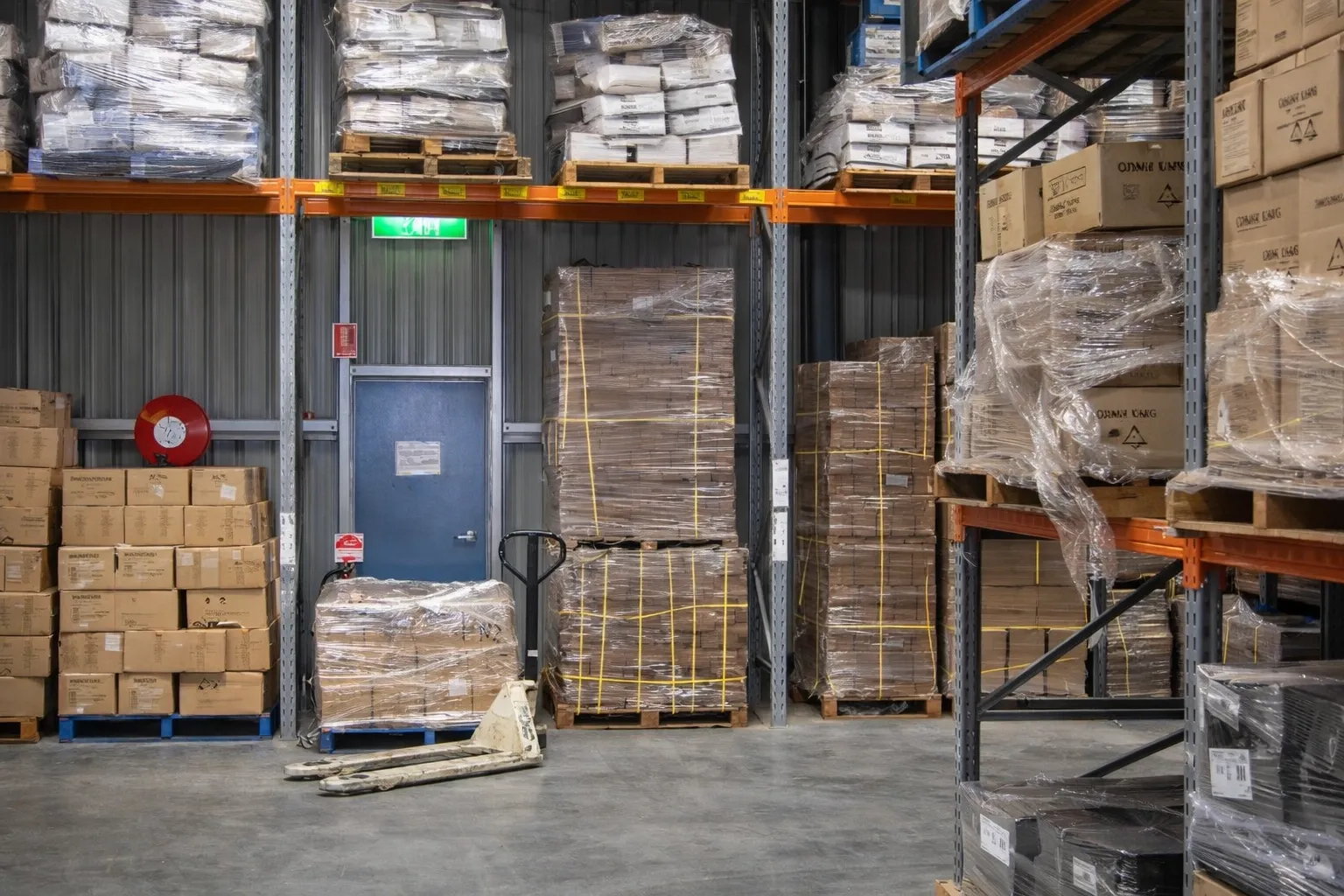
Fire code due diligence answers the questions the other reports do not: what the building is approved for, whether it can take the intended use, what the code requires for that use, what is in place today and what the city will require to close the gap. It covers the whole operation, from occupancy and storage to sprinklers, exits, fire alarm, fire department access and water supply, hazardous materials and battery charging.
Southern California raises the stakes. The region's industrial market spans the logistics corridors of the Inland Empire, the older building stock of Los Angeles and the business parks of Orange County and San Diego, and it is governed by dozens of fire jurisdictions, each with its own local amendments. In Los Angeles, see high-piled storage compliance. In Orange County, see fire inspection readiness.
On the Deal's Timeline, in Writing
We work on the deal's timeline, alongside the rest of the diligence team. A scoping call covers the property, the buyer's or tenant's intended use and the dates that matter. You get a written scope and a fixed fee before any work starts.
Depending on the deal, our team performs a desk read of the records and drawings, a walk of the property, or both. The written read sets out what the code requires for the intended use, what is in place, the gap between the two and what the city will require to close it. Items that need hydraulic calculations or an engineered answer are flagged for a licensed fire protection engineer.
The result is written to be used: in a price or credit negotiation, in lease terms, in a capital plan, or as the day-one list for the new owner. See how that played out on a 130,000 SF Los Angeles industrial property.
Built Around the Transaction
Pre-Commitment Read
The core due diligence read: what the city will require for the property and its intended use, before you close or sign.
Battery Storage Site Review
For sites being acquired for energy storage: how much the site can hold and what the fire department will want to see.
Preconstruction Drawing Review
For acquisitions with planned improvements: a fire code read of the drawings before bid and plan check.
Every other report in the diligence binder describes the building as it is. The fire code read describes what the city will ask the next owner to do with it.
Nick Anthony
Principal · Fire Captain
Fire Code Due Diligence in Southern California
Why is fire code due diligence separate from a property condition report?
A property condition assessment looks at the physical condition and remaining life of building systems. It typically does not ask whether the building is approved for the use the buyer or tenant intends, whether storage will trigger a high-piled storage permit, or whether the sprinkler design supports the commodity that will sit under it. Those are fire code questions, and they can carry significant cost.
When in the deal should we bring you in?
As early in the diligence period as possible, ideally as soon as the intended use is known. That leaves time to act on the findings: negotiate price or credits, adjust lease terms, or walk away. We can also read a property before an LOI when the use is unusual, such as lithium storage or battery energy storage.
Which property types do you review in Southern California?
Industrial, warehouse and distribution, 3PL and cold storage, manufacturing, data centers and mission critical facilities, multi-tenant business parks and outdoor battery energy storage sites. The common thread is a use that the fire code treats differently from the last one.
Do you cover the whole region?
Yes. We read properties across Los Angeles, Orange, Riverside, San Bernardino, San Diego and Ventura counties, and each jurisdiction is read against the code and local amendments it actually enforces. We also take engagements nationwide.
Will the read tell us what fixes will cost?
The read tells you what the city will require and the scope of work to close each gap, ranked by impact. Where pricing matters to the deal, we coordinate with licensed engineers and contractors you engage so the numbers come from the people who would do the work. We have no system to sell and no stake in the fix.
Start With a Scoping Call
Find Out What the City Will Require Before You Close.
Tell us about the property, the intended use and the deal dates. You get a written scope and a fixed fee before any work starts.